


Understanding the Importance of Bee Pest Control
Bees play a crucial role in our ecosystem, contributing significantly to pollination and the overall health of the environment. However, when bees become pests or their populations grow uncontrollably in certain areas, managing them becomes necessary. Understanding the importance of bee pest control helps balance the need to protect these vital insects while ensuring human safety and property protection.
The Importance of Bee Pest Control
Bee populations are essential for pollinating many crops and wild plants. Without bees, food production would decline, affecting biodiversity and food security. However, bees can sometimes nest in inconvenient or dangerous places, such as inside walls, attics, or near high-traffic areas. This can pose risks to people who are allergic or sensitive to bee stings.
Effective bee pest control is about managing these situations responsibly. It involves safely relocating bees rather than exterminating them, preserving their populations while protecting human interests. This approach supports environmental sustainability and helps maintain the delicate balance between nature and urban living.

Common Bee Problems and How to Identify Them
Bee infestations can be identified by several signs. These include:
Buzzing sounds inside walls or ceilings
Visible bee activity around a specific area
Accumulation of dead bees near entrances
Presence of honeycomb or wax structures in hidden spaces
Different types of bees, such as honeybees, bumblebees, and carpenter bees, may require different management techniques. For example, carpenter bees bore into wood, causing structural damage, while honeybees build large hives that can attract predators or cause property damage.
Identifying the type of bee and the extent of the infestation is the first step in determining the best course of action. Professional assessment is often recommended to ensure safety and effectiveness.
What is the 3-3-3 Rule for Bees?
The 3-3-3 rule is a helpful guideline for understanding bee behavior and safety:
3 feet: If a bee is within 3 feet of you, remain calm and avoid sudden movements.
3 seconds: If a bee stays near you for more than 3 seconds, slowly move away.
3 minutes: If a bee follows you for more than 3 minutes, seek shelter indoors.
This rule helps reduce the risk of provoking bees and getting stung. It is especially useful for people who spend time outdoors or live near bee habitats. Understanding this behavior can prevent unnecessary panic and promote coexistence with these important insects.

Safe and Effective Methods for Managing Bees
When bee populations become problematic, several safe and effective management methods can be employed:
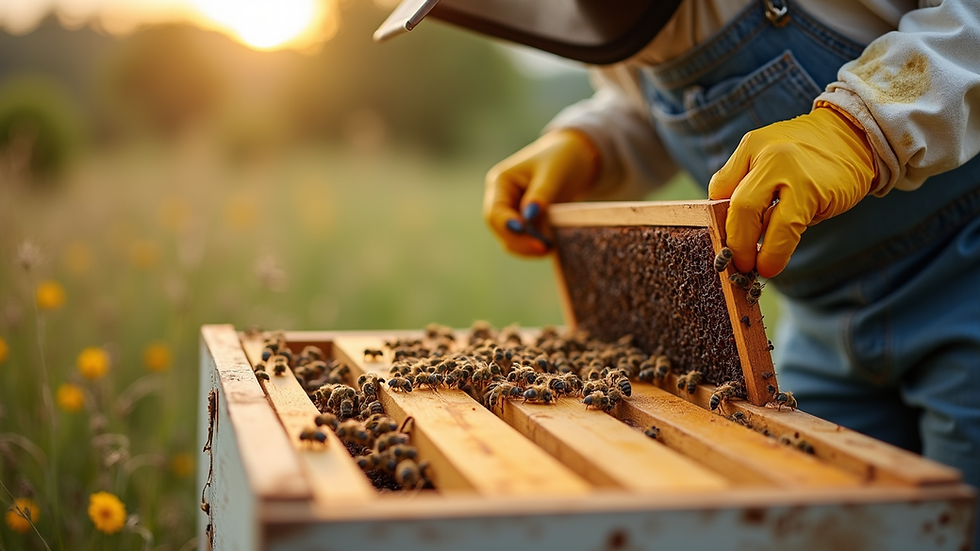
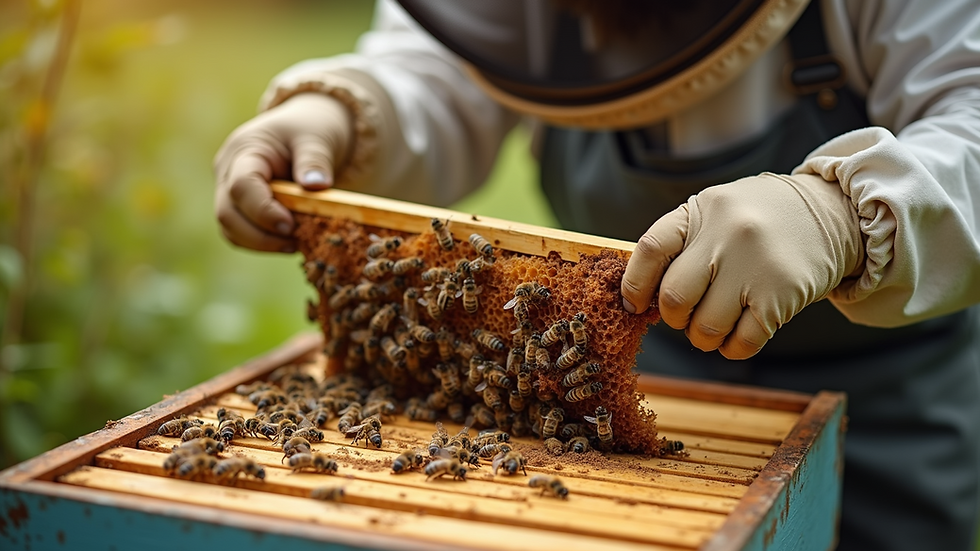
Relocation: Professional beekeepers can safely remove and relocate bee colonies to suitable environments.
Exclusion: Sealing entry points and removing attractants can prevent bees from nesting in unwanted areas.
Habitat modification: Reducing standing water and flowering plants near buildings can discourage bees from settling.
Use of natural repellents: Certain scents and plants can deter bees without harming them.
Avoid using harmful pesticides or attempting to remove bees without proper knowledge, as this can be dangerous and counterproductive. Engaging experts ensures that bee populations are managed responsibly and sustainably.
How to Support Bee Populations While Managing Risks
Balancing bee conservation with safety requires thoughtful actions:
Plant bee-friendly flowers and avoid pesticides in your garden.
Provide water sources away from high-traffic areas.
Educate family and community members about bee behavior and safety.
Contact professional services for any bee removal or control needs.
By supporting healthy bee populations and managing risks carefully, we contribute to environmental health and reduce conflicts between humans and bees.
Moving Forward with Responsible Bee Management
Understanding the importance of bee pest control helps us protect both people and pollinators. Responsible management practices ensure that bees continue to thrive while minimizing risks associated with their presence in human environments. Whether through relocation, exclusion, or education, taking informed steps benefits everyone.
For those facing bee-related challenges, consulting with professionals who specialize in bee pest control is the best way to achieve safe and effective results. This approach respects the vital role bees play and promotes harmony between nature and human habitats.

Comments